You might think one drink after work is harmless, or even deserved. But the data says otherwise: even modest alcohol intake can quietly undermine your recovery, clarity, and performance.
Let’s walk through the true costs, from sleep, to brain function, to your nervous system and what the real-world impact can look like.
Alcohol has a sedative effect that can help you fall asleep faster. But that shortcut comes at a price. Alcohol disrupts your natural sleep cycles, fragmenting REM and deep (slow-wave) sleep, the very stages where your brain and body regenerate. 
Alcohol sedates your nervous system, much like an anesthesiologist putting you to sleep before surgery. During anesthesia, you’re completely disconnected from the world, in what feels like a deep, dreamless sleep. But your body isn’t regenerating, it’s shut down. That’s why you don’t wake up from surgery feeling all energized and refreshed, instead you wake up drained.
The same thing happens, on a smaller scale, when you drink before bed. You might lose consciousness more quickly, but alcohol blocks the restorative phases of deep and REM sleep.
Even if you clock in eight or more hours, the quality suffers as your body spends excessive amounts of energy breaking down the alcohol in your body during the night, elevating heart rate, and reducing recovery.
Your brain is one of the first places alcohol leaves its mark. It disrupts the delicate balance of neurotransmitters, especially dopamine, serotonin, and GABA, which together regulate motivation, focus, and emotional stability.
Alcohol overstimulates your brain’s reward system, flooding it with dopamine. In the moment, that feels relaxing, even rewarding. But once the effect fades, your baseline dopamine levels drop below normal. That’s why the day after drinking, things that normally feel fulfilling suddenly feel like effort. Your brain’s “motivation currency” has been temporarily depleted.
When that baseline stays low, your system starts craving the next quick hit of dopamine: sugar, caffeine, social scrolling, porn or another drink.
Due to these effect almost all your tasks feel heavier. Focus feels harder to sustain and The brain starts looking for easy pleasure instead of deep reward and fulfillment. That’s why many high performers notice sharper focus, steadier energy, and a stronger sense of drive when they cut back or quit drinking altogether.
As your dopamine system resets, your baseline motivation rises, you start to feel more grounded, creative, and capable of sustained focus without needing constant stimulation. The effects of alcohol on the brain aren’t dramatic from one night, but they’re cumulative. Each drink inches your baseline a little lower, and each sober stretch helps rebuild it.
One of the sneakiest effects of alcohol is how it interferes with your nervous system — the control center that manages everything from your heartbeat to your sense of calm. When you drink, alcohol slows that system down. You feel relaxed, your thoughts quiet down, your shoulders drop, it’s that temporary “off switch” most people enjoy about alcohol.
But once the alcohol wears off, your body has to compensate. Your nervous system swings in the opposite direction, activating your fight-or-flight response to regain balance. It’s like a pendulum that first slows down, then overshoots the other way. Your heart rate variability (HRV) - the measure of how calmly and flexibly your body responds to stress - drops, while your resting heart rate (RHR) rises.
Data shows that even one drink can lower HRV by 5–10% and raise RHR by 3–5%, reducing your body’s overall readiness to perform by up to 13%. Some studies even show that alcohol can continue to affect recovery for two to three days, keeping your body in a low-grade stress state, even when you think you’ve “slept it off.”
Alcohol isn’t evil (when consumed wisely) - but it’s costly for anyone serious about performance.
It doesn’t just affect your liver; it touches your sleep, focus, hydration, nervous system, and recovery.
If you want to operate at your best, it might be time to redefine what “unwinding” means. True recovery doesn’t come from pouring a drink - it comes from taking rest, doing nothing and restoring your system. Sometimes, the smallest trade-offs, one less glass, one deeper night’s sleep make the biggest difference in how you show up the next day.
So remember: peak performance isn’t just about doing more, it’s also about removing what quietly holds you back from becoming your best self.


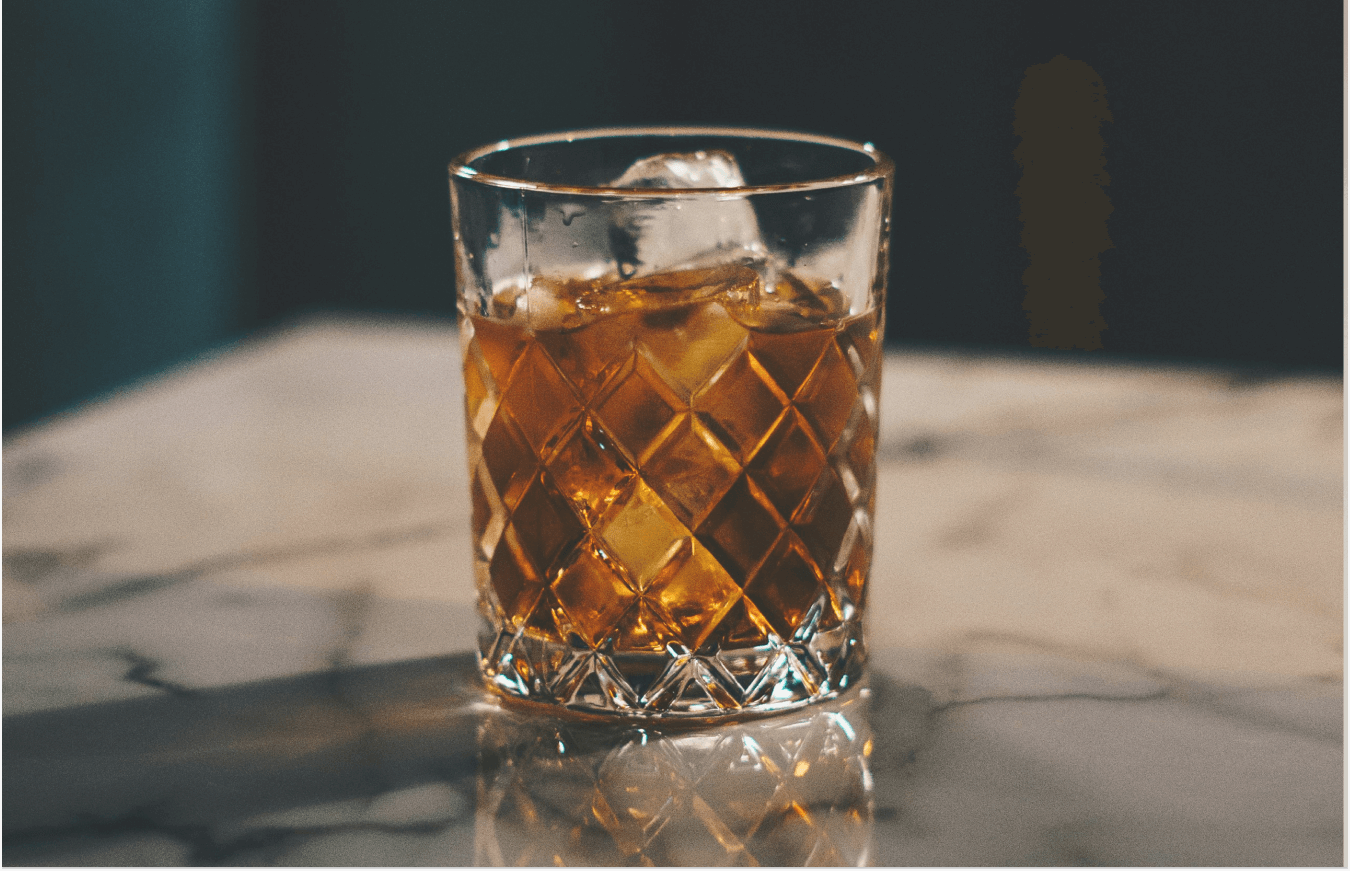
You might think one drink after work is harmless, or even deserved. But the data says otherwise: even modest alcohol intake can quietly undermine your recovery, clarity, and performance.
Let’s walk through the true costs, from sleep, to brain function, to your nervous system and what the real-world impact can look like.
Alcohol has a sedative effect that can help you fall asleep faster. But that shortcut comes at a price. Alcohol disrupts your natural sleep cycles, fragmenting REM and deep (slow-wave) sleep, the very stages where your brain and body regenerate. 
Alcohol sedates your nervous system, much like an anesthesiologist putting you to sleep before surgery. During anesthesia, you’re completely disconnected from the world, in what feels like a deep, dreamless sleep. But your body isn’t regenerating, it’s shut down. That’s why you don’t wake up from surgery feeling all energized and refreshed, instead you wake up drained.
The same thing happens, on a smaller scale, when you drink before bed. You might lose consciousness more quickly, but alcohol blocks the restorative phases of deep and REM sleep.
Even if you clock in eight or more hours, the quality suffers as your body spends excessive amounts of energy breaking down the alcohol in your body during the night, elevating heart rate, and reducing recovery.
Your brain is one of the first places alcohol leaves its mark. It disrupts the delicate balance of neurotransmitters, especially dopamine, serotonin, and GABA, which together regulate motivation, focus, and emotional stability.
Alcohol overstimulates your brain’s reward system, flooding it with dopamine. In the moment, that feels relaxing, even rewarding. But once the effect fades, your baseline dopamine levels drop below normal. That’s why the day after drinking, things that normally feel fulfilling suddenly feel like effort. Your brain’s “motivation currency” has been temporarily depleted.
When that baseline stays low, your system starts craving the next quick hit of dopamine: sugar, caffeine, social scrolling, porn or another drink.
Due to these effect almost all your tasks feel heavier. Focus feels harder to sustain and The brain starts looking for easy pleasure instead of deep reward and fulfillment. That’s why many high performers notice sharper focus, steadier energy, and a stronger sense of drive when they cut back or quit drinking altogether.
As your dopamine system resets, your baseline motivation rises, you start to feel more grounded, creative, and capable of sustained focus without needing constant stimulation. The effects of alcohol on the brain aren’t dramatic from one night, but they’re cumulative. Each drink inches your baseline a little lower, and each sober stretch helps rebuild it.
One of the sneakiest effects of alcohol is how it interferes with your nervous system — the control center that manages everything from your heartbeat to your sense of calm. When you drink, alcohol slows that system down. You feel relaxed, your thoughts quiet down, your shoulders drop, it’s that temporary “off switch” most people enjoy about alcohol.
But once the alcohol wears off, your body has to compensate. Your nervous system swings in the opposite direction, activating your fight-or-flight response to regain balance. It’s like a pendulum that first slows down, then overshoots the other way. Your heart rate variability (HRV) - the measure of how calmly and flexibly your body responds to stress - drops, while your resting heart rate (RHR) rises.
Data shows that even one drink can lower HRV by 5–10% and raise RHR by 3–5%, reducing your body’s overall readiness to perform by up to 13%. Some studies even show that alcohol can continue to affect recovery for two to three days, keeping your body in a low-grade stress state, even when you think you’ve “slept it off.”
Alcohol isn’t evil (when consumed wisely) - but it’s costly for anyone serious about performance.
It doesn’t just affect your liver; it touches your sleep, focus, hydration, nervous system, and recovery.
If you want to operate at your best, it might be time to redefine what “unwinding” means. True recovery doesn’t come from pouring a drink - it comes from taking rest, doing nothing and restoring your system. Sometimes, the smallest trade-offs, one less glass, one deeper night’s sleep make the biggest difference in how you show up the next day.
So remember: peak performance isn’t just about doing more, it’s also about removing what quietly holds you back from becoming your best self.