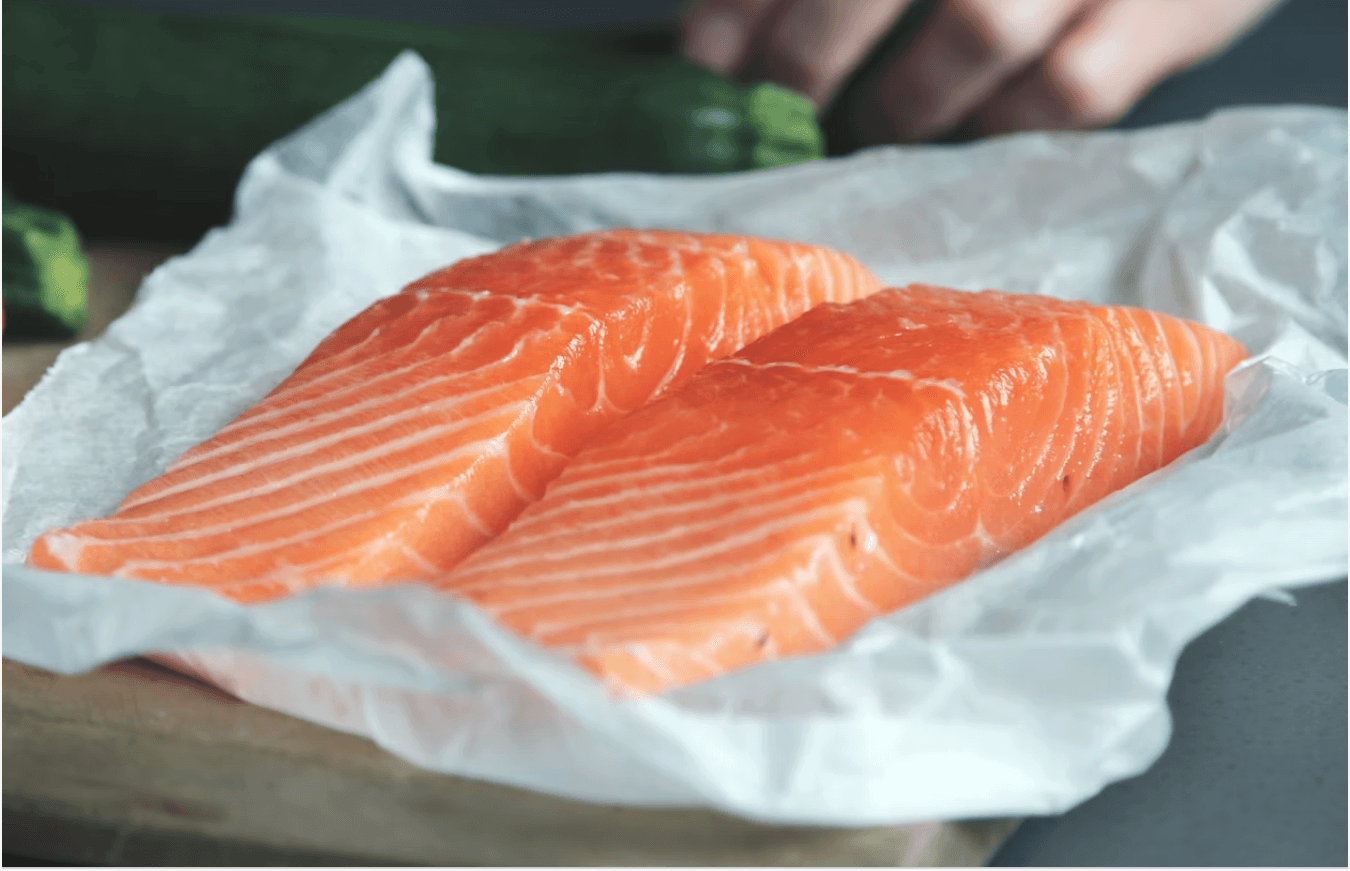
Creatine is a naturally occurring compound that your body produces mainly in the liver, kidneys, and pancreas and also gets from food, especially meat and fish.
In practice, creatine has become a popular gym supplement to increase the amount of creatine stored in your muscles, giving you a little more “fuel” during high-intensity efforts.
To understand how it works, you need to understand ATP - adenosine triphosphate, the body’s primary energy currency. Every time your muscles contract - whether you’re sprinting, lifting, or even thinking — your cells use ATP as their immediate energy source. Inside your muscles, creatine acts like a battery charger: it helps your body quickly refill its short-term energy supply. When you use up energy during an intense effort, creatine helps recycle it almost instantly, allowing your muscles to keep going a little longer and a little harder.
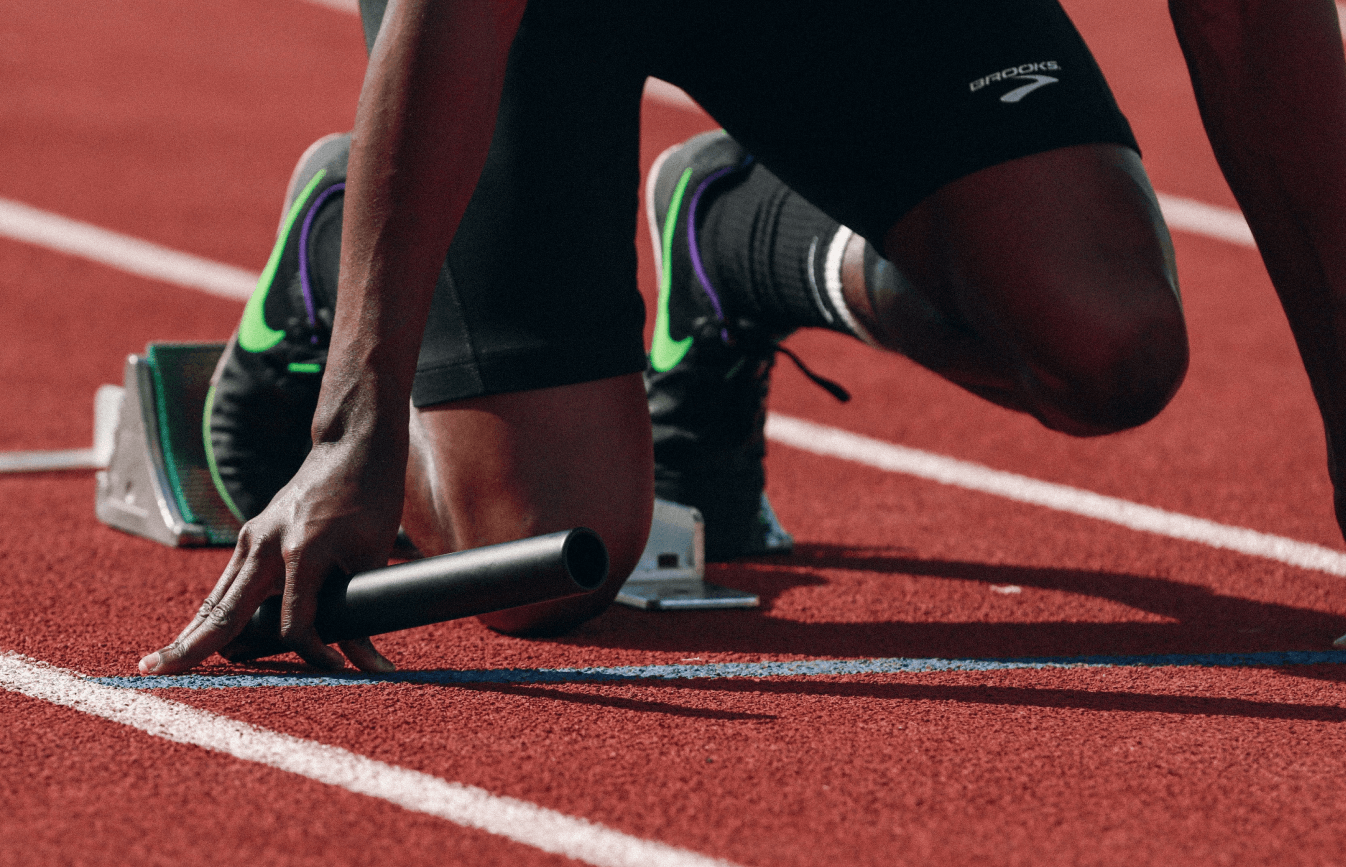
In simple terms: more creatine means more quick energy for short, powerful bursts — like sprints, heavy lifts, or moments when your brain needs full focus.
Creatine supplementation has been studied for decades, especially in strength, sprint, and resistance-training contexts. Early studies from the 1990s showed that creatine could boost short-term performance, increase strength, and aid recovery.
Over time, interest expanded beyond “muscle and strength” into possible cognitive, anti-aging, and recovery benefits. In wellness and biohacking circles, creatine has gained renewed attention, now talked about not just as a bodybuilder’s supplement, but as a tool for brain health, resilience, and overall vitality.
On TikTok, Instagram, and YouTube, influencers add a scoop of creatine to their morning smoothies or iced coffees. Fitness coaches, longevity experts, and even beauty creators now call it a daily essential. Not just for muscle, but for focus, clarity, and recovery.
Part of the hype comes from a genuine scientific revival. Recent studies highlight potential cognitive benefits: improved memory, sharper thinking, and better mental resilience under stress. This shifted creatine’s image from “gym-bro powder” to something far more universal: a supplement that might help anyone perform better, physically and mentally.
The answer is “maybe, under the right circumstances.”
For most people already training, eating, sleeping and recovering well, creatine isn’t a miracle supplement but it might be a small, strategic advantage. It won’t transform your performance overnight, but it can give you that extra edge that compounds over time.
Like many things, Its real power shows when it’s used alongside consistent training, solid recovery, and a balanced lifestyle - not as a replacement for them. Creatine works best when it can amplify what you’re already doing right.
For professional or competitive athletes, the benefits are often more visible - a few extra seconds of endurance, slightly better recovery, or an added push in high-intensity moments. For entrepreneurs and high performers outside of sport, the impact is usually subtler.
And while early research on its cognitive benefits is promising, the science isn’t conclusive enough to rely on creatine as your main strategy for focus or brain health, at least not yet.
The renewed attention around creatine is partly deserved. It’s backed by solid research and offers genuine benefits for both body and mind. But the hype is also driven by oversimplification, marketing, and our collective obsession with finding a “silver bullet” for performance.
As with most trends, nuance gets lost. Many influencers oversell creatine as a miracle fix for focus, energy, or productivity - when in reality, its effects are subtle, gradual, and depend entirely on how you train, sleep, eat and recover.
Creatine isn’t revolutionary. It’s not the newest biohack or a miracalous shortcut. If you’re on the path to peak performance, see creatine for what it is: a small gain in the journey of becoming a stronger, sharper, and calmer version of yourself.


Creatine is a naturally occurring compound that your body produces mainly in the liver, kidneys, and pancreas and also gets from food, especially meat and fish.
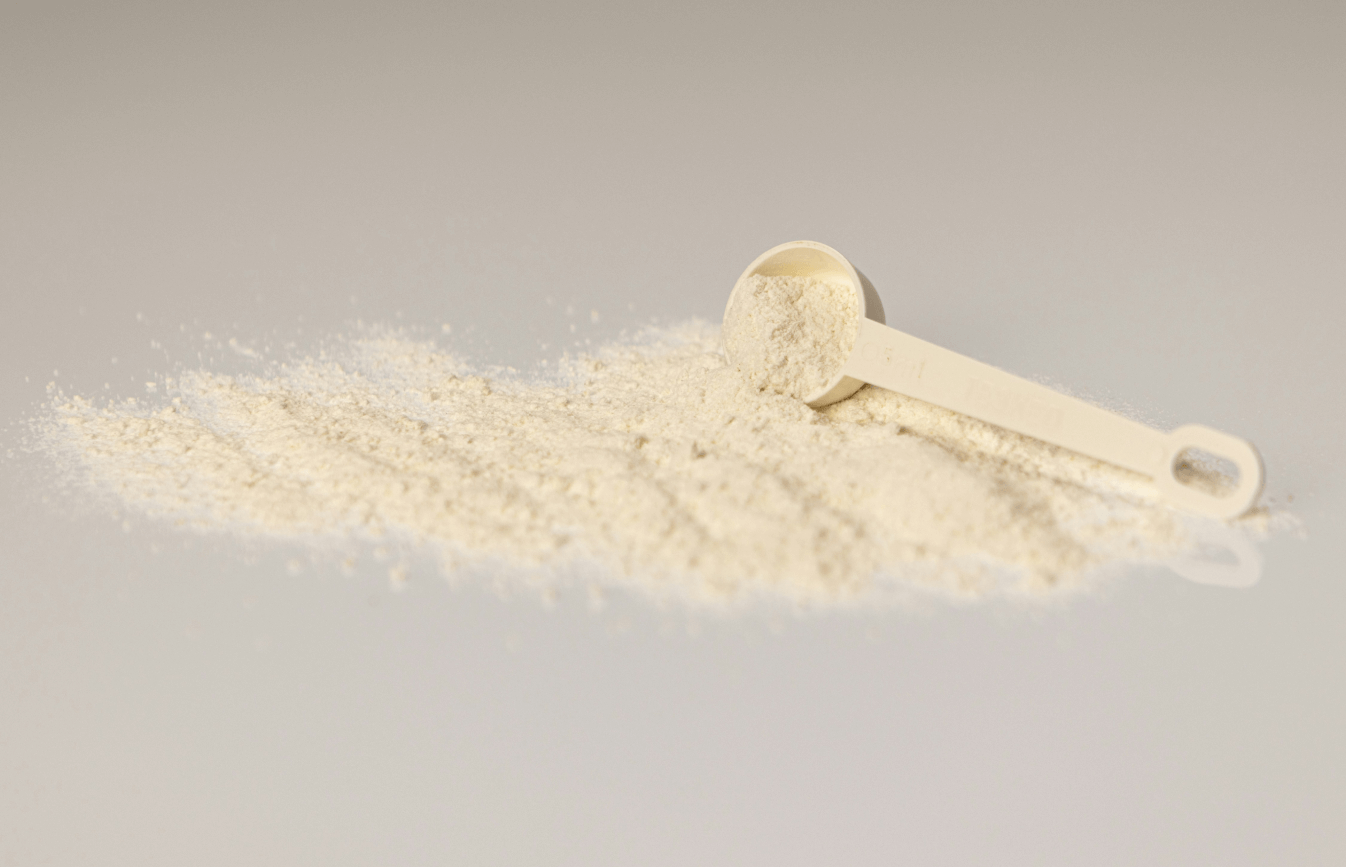
In practice, creatine has become a popular gym supplement to increase the amount of creatine stored in your muscles, giving you a little more “fuel” during high-intensity efforts.
To understand how it works, you need to understand ATP - adenosine triphosphate, the body’s primary energy currency. Every time your muscles contract - whether you’re sprinting, lifting, or even thinking — your cells use ATP as their immediate energy source. Inside your muscles, creatine acts like a battery charger: it helps your body quickly refill its short-term energy supply. When you use up energy during an intense effort, creatine helps recycle it almost instantly, allowing your muscles to keep going a little longer and a little harder.
In simple terms: more creatine means more quick energy for short, powerful bursts — like sprints, heavy lifts, or moments when your brain needs full focus.
Creatine supplementation has been studied for decades, especially in strength, sprint, and resistance-training contexts. Early studies from the 1990s showed that creatine could boost short-term performance, increase strength, and aid recovery.
Over time, interest expanded beyond “muscle and strength” into possible cognitive, anti-aging, and recovery benefits. In wellness and biohacking circles, creatine has gained renewed attention, now talked about not just as a bodybuilder’s supplement, but as a tool for brain health, resilience, and overall vitality.
On TikTok, Instagram, and YouTube, influencers add a scoop of creatine to their morning smoothies or iced coffees. Fitness coaches, longevity experts, and even beauty creators now call it a daily essential. Not just for muscle, but for focus, clarity, and recovery.
Part of the hype comes from a genuine scientific revival. Recent studies highlight potential cognitive benefits: improved memory, sharper thinking, and better mental resilience under stress. This shifted creatine’s image from “gym-bro powder” to something far more universal: a supplement that might help anyone perform better, physically and mentally.
The answer is “maybe, under the right circumstances.”
For most people already training, eating, sleeping and recovering well, creatine isn’t a miracle supplement but it might be a small, strategic advantage. It won’t transform your performance overnight, but it can give you that extra edge that compounds over time.
Like many things, Its real power shows when it’s used alongside consistent training, solid recovery, and a balanced lifestyle - not as a replacement for them. Creatine works best when it can amplify what you’re already doing right.
For professional or competitive athletes, the benefits are often more visible - a few extra seconds of endurance, slightly better recovery, or an added push in high-intensity moments. For entrepreneurs and high performers outside of sport, the impact is usually subtler.
And while early research on its cognitive benefits is promising, the science isn’t conclusive enough to rely on creatine as your main strategy for focus or brain health, at least not yet.
The renewed attention around creatine is partly deserved. It’s backed by solid research and offers genuine benefits for both body and mind. But the hype is also driven by oversimplification, marketing, and our collective obsession with finding a “silver bullet” for performance.
As with most trends, nuance gets lost. Many influencers oversell creatine as a miracle fix for focus, energy, or productivity - when in reality, its effects are subtle, gradual, and depend entirely on how you train, sleep, eat and recover.
Creatine isn’t revolutionary. It’s not the newest biohack or a miracalous shortcut. If you’re on the path to peak performance, see creatine for what it is: a small gain in the journey of becoming a stronger, sharper, and calmer version of yourself.